Professional Multi-Mode Wall Scanner With Ultra-Deep Detection - RaftNavi Stud Detector
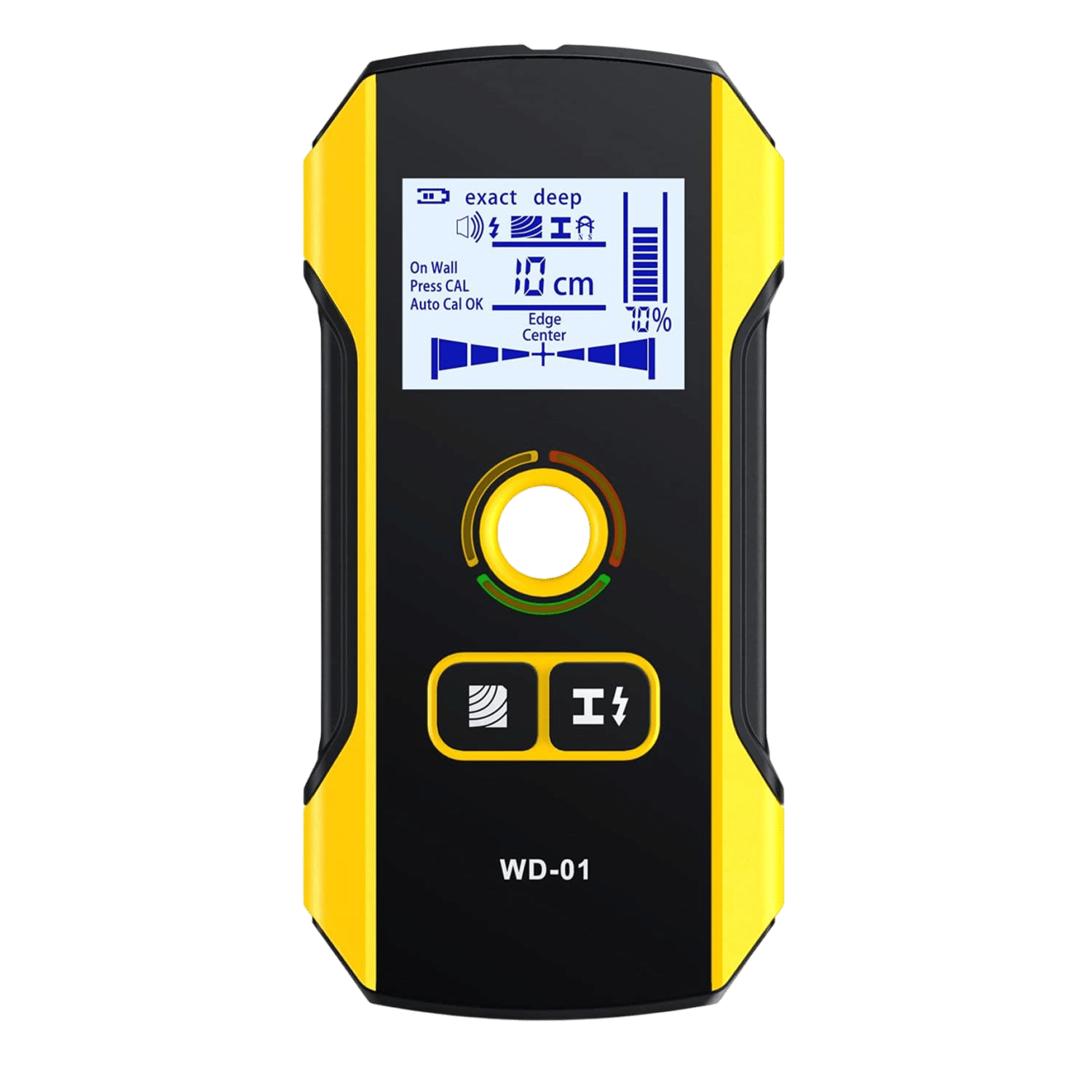
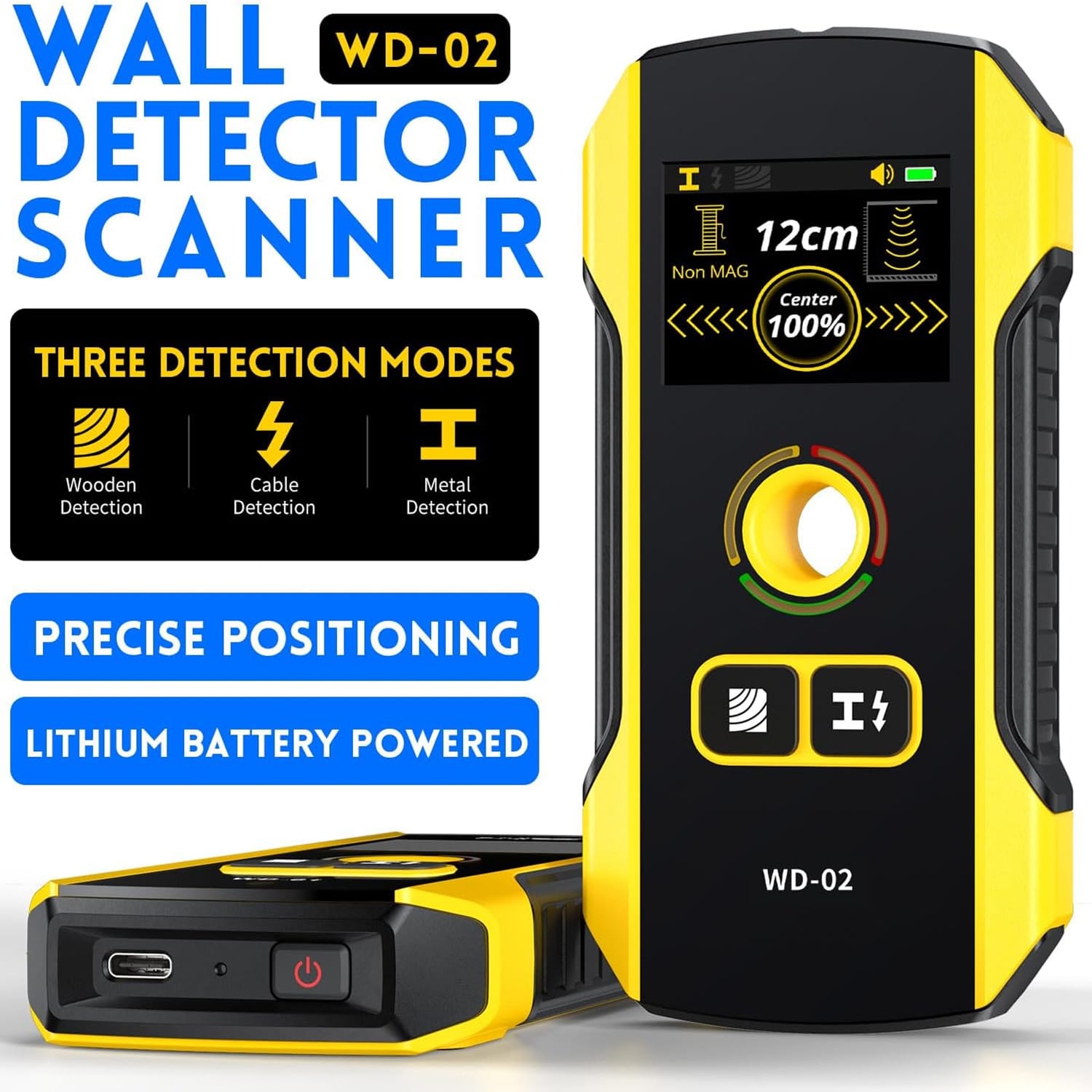
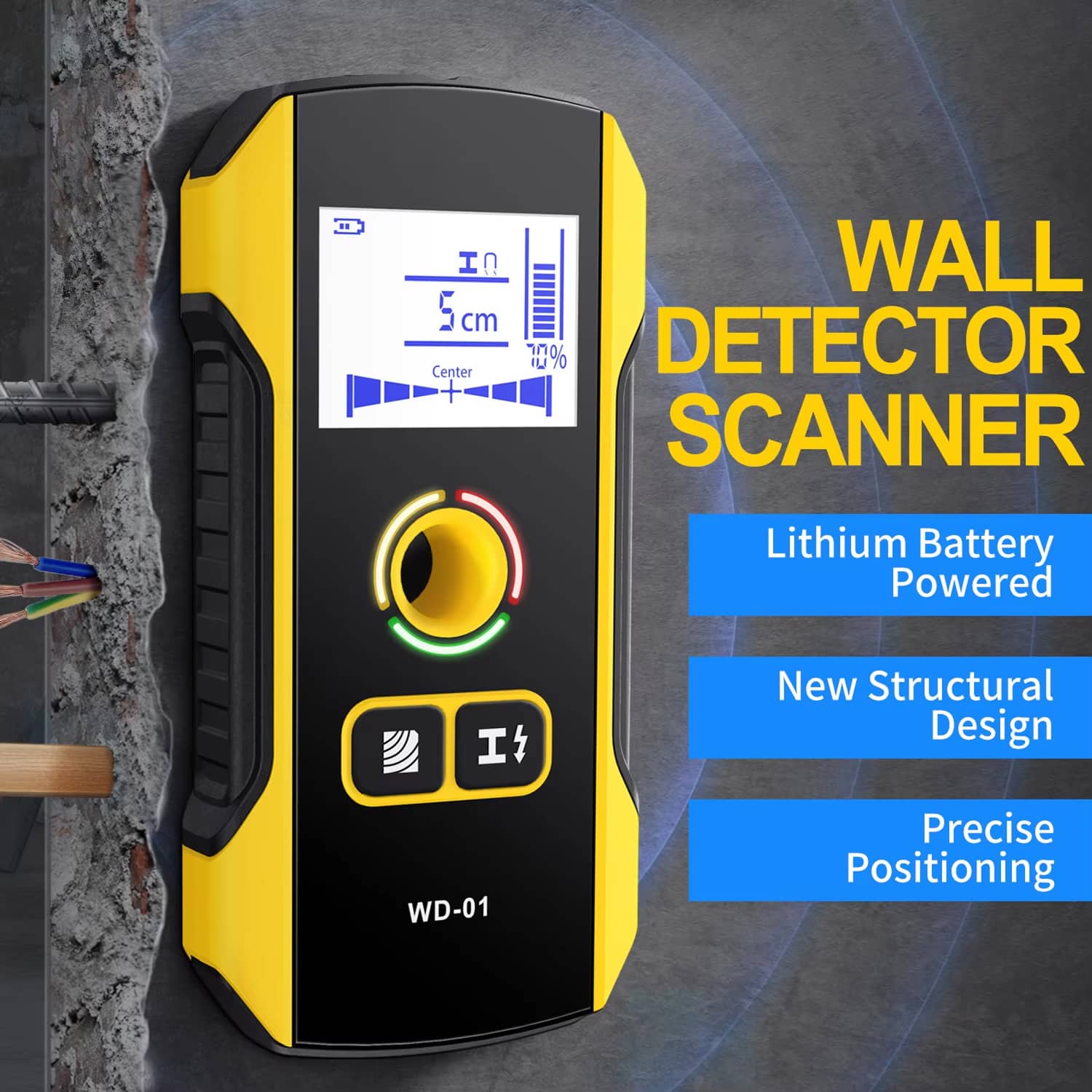
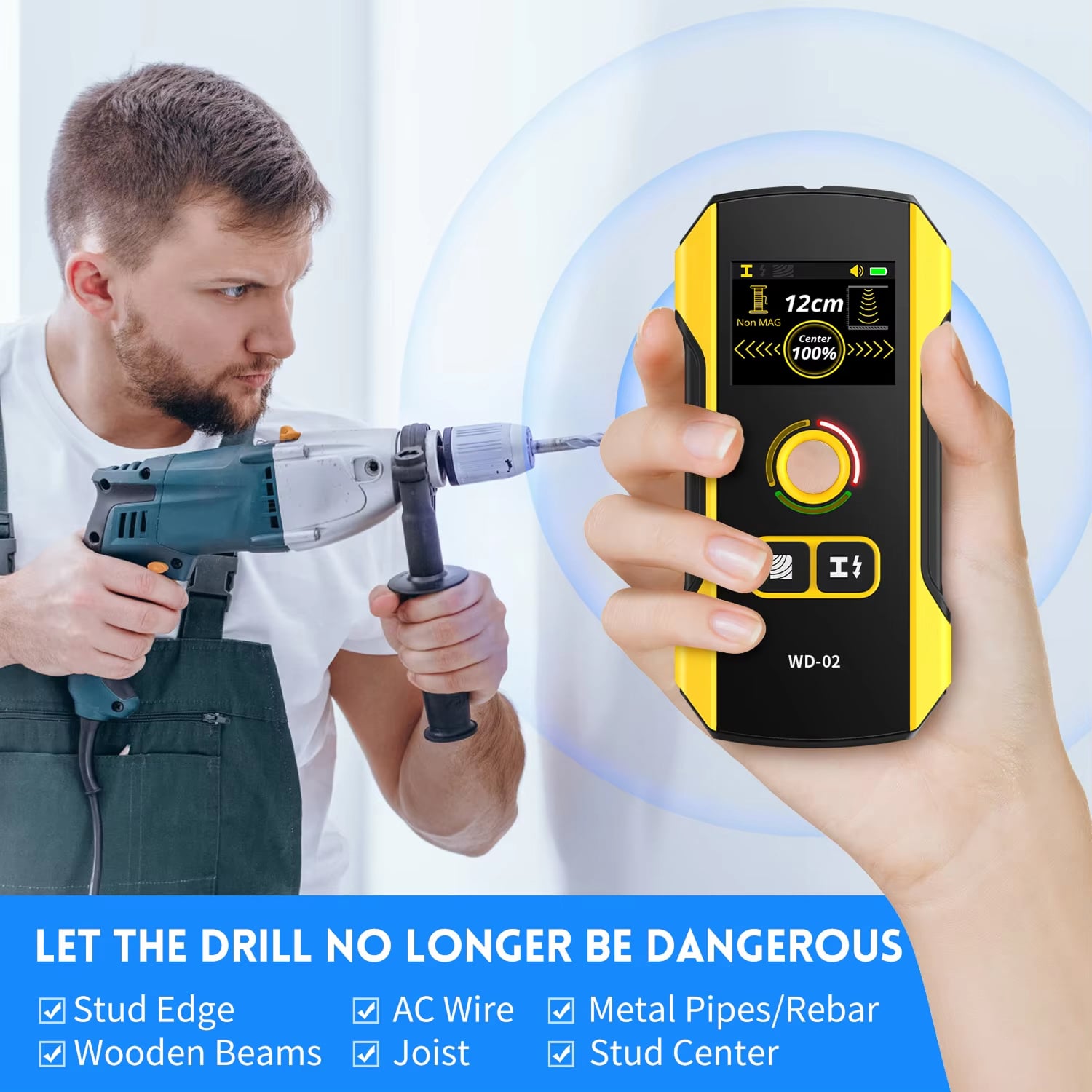
Detect hidden wires, studs, and metal pipes with pinpoint accuracy before drilling. The RaftNavi Stud Detector features 120mm ultra-deep detection, three specialized scanning modes, and a crystal-clear TFT display to prevent costly mistakes and ensure safe, confident drilling every time.
How Does The RaftNavi Stud Detector Keep Your Walls Safe During Every Project?
Tired Of Drilling Into Hidden Wires?
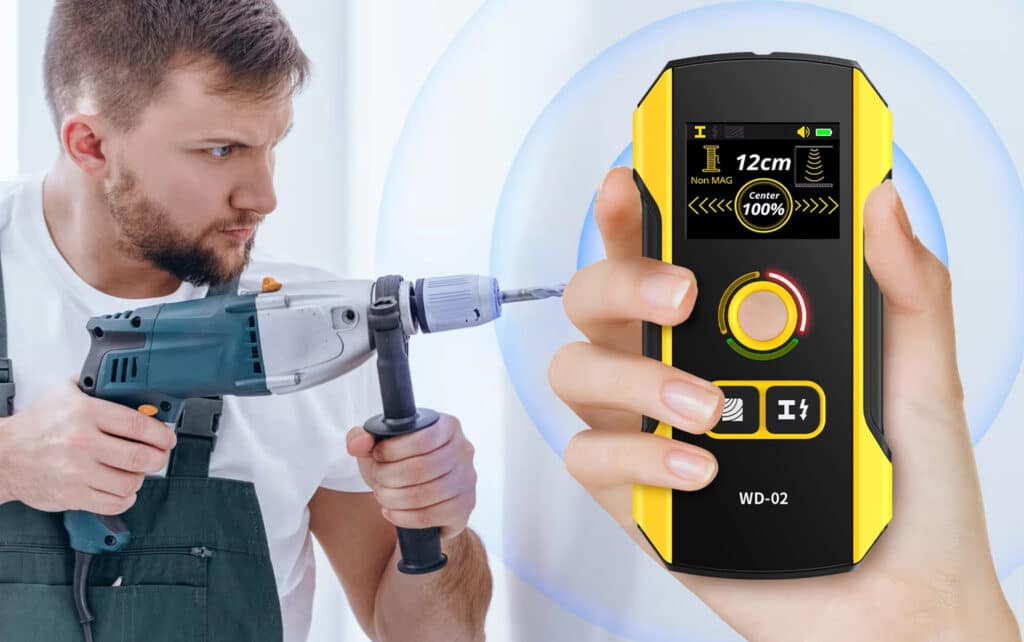
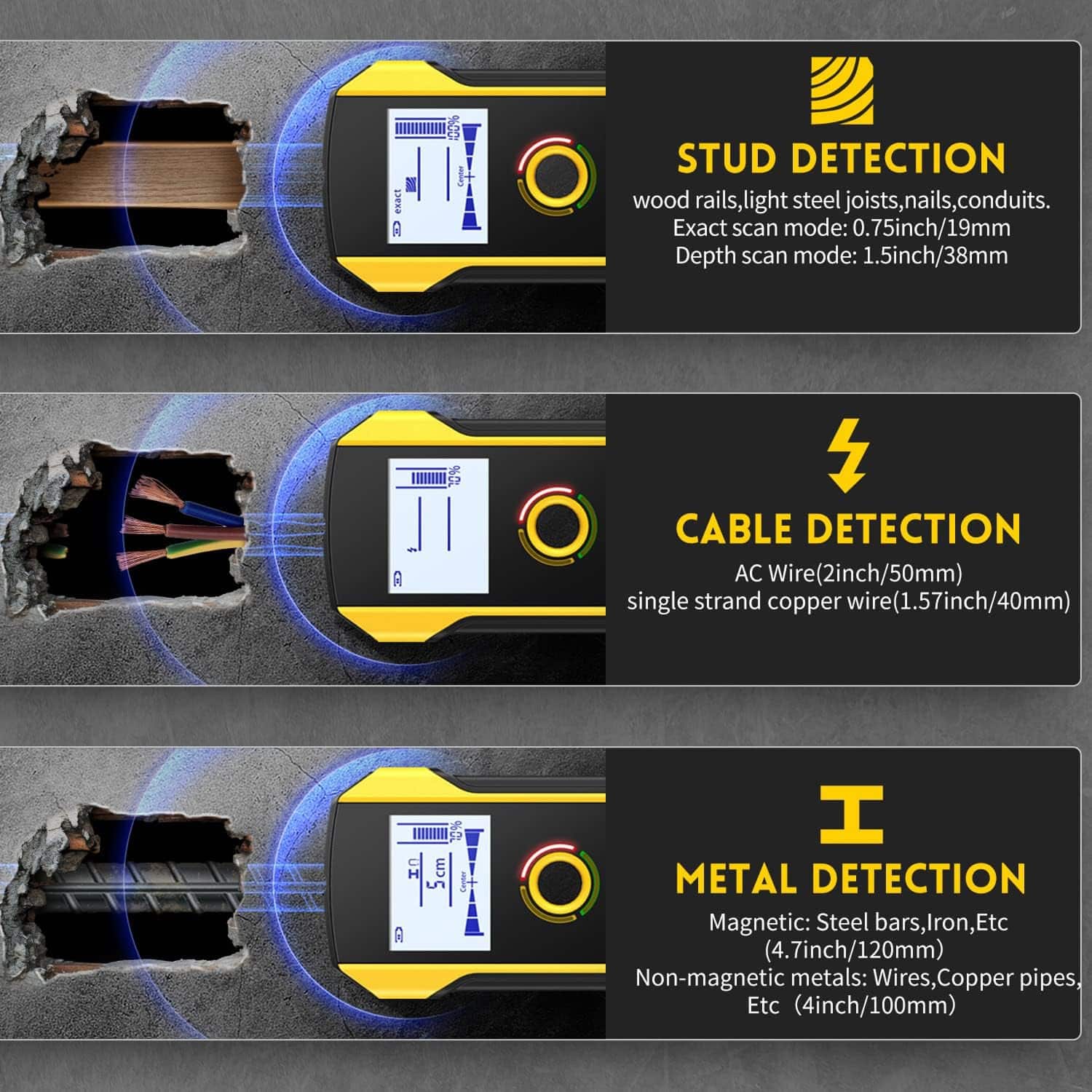
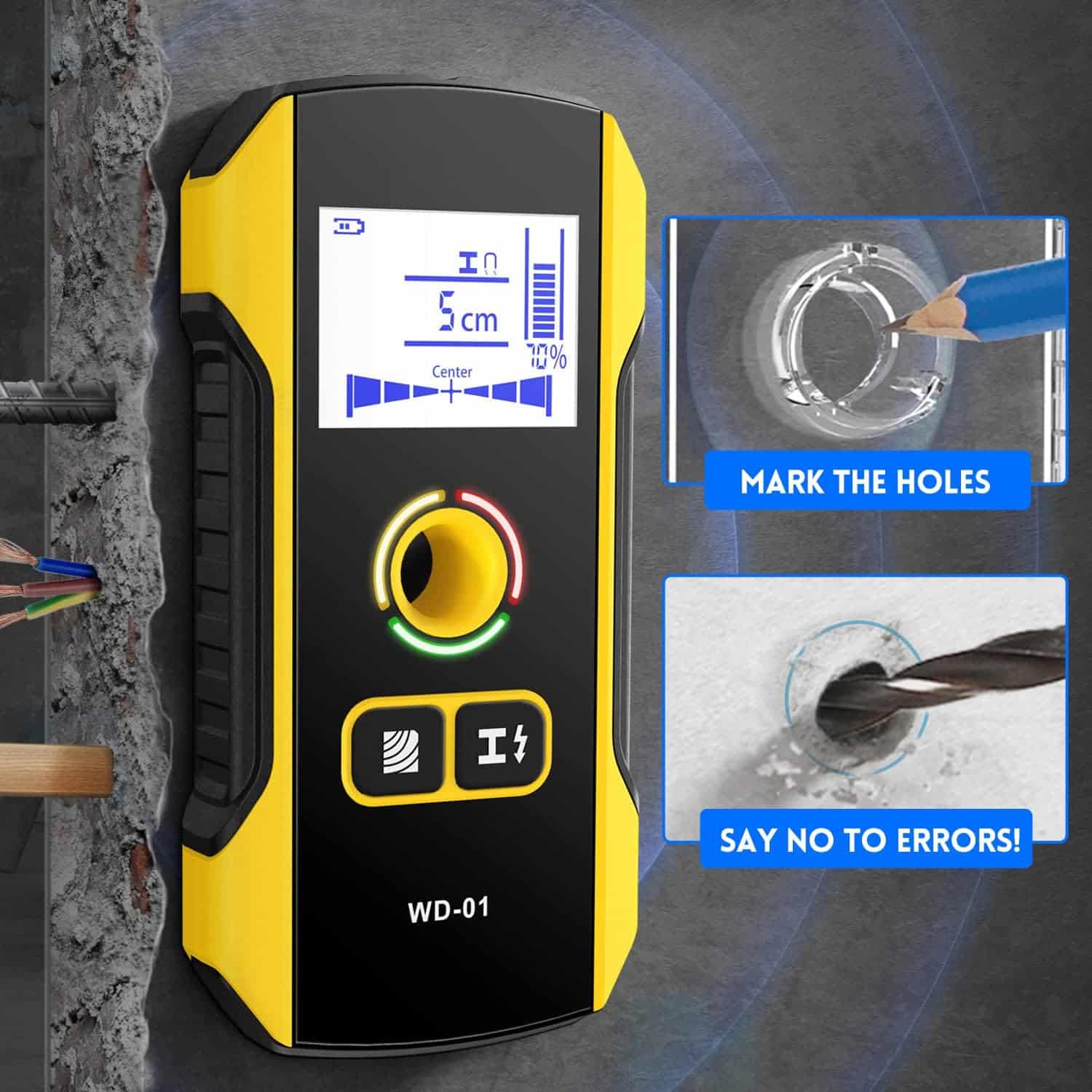
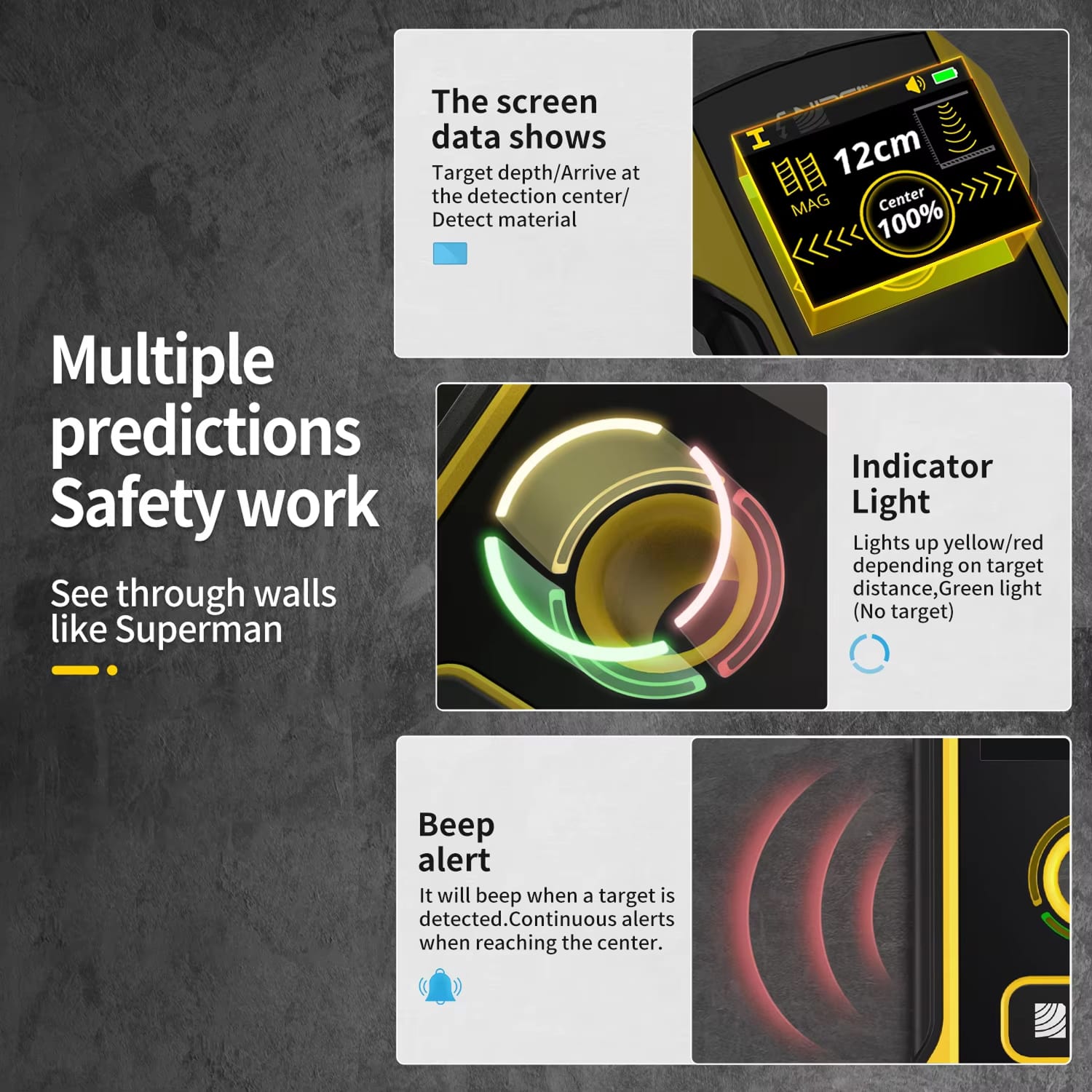
The RaftNavi Stud Detector’s innovative positioning hole design and AC wire detection mode locate live electrical cables up to 50mm deep, preventing dangerous drilling accidents. Multi-sensory alerts including visual display, color-coded lights, and continuous beeping guide you safely away from hazards.
Worried About Investing in the Wrong Equipment?
Our complete kit includes everything you need to start playing immediately, all meeting tournament standards. The carbon fiber construction and PP honeycomb core provide the perfect balance of power and control, ensuring you’re getting professional quality at a beginner-friendly price.
High-Definition TFT Color Display
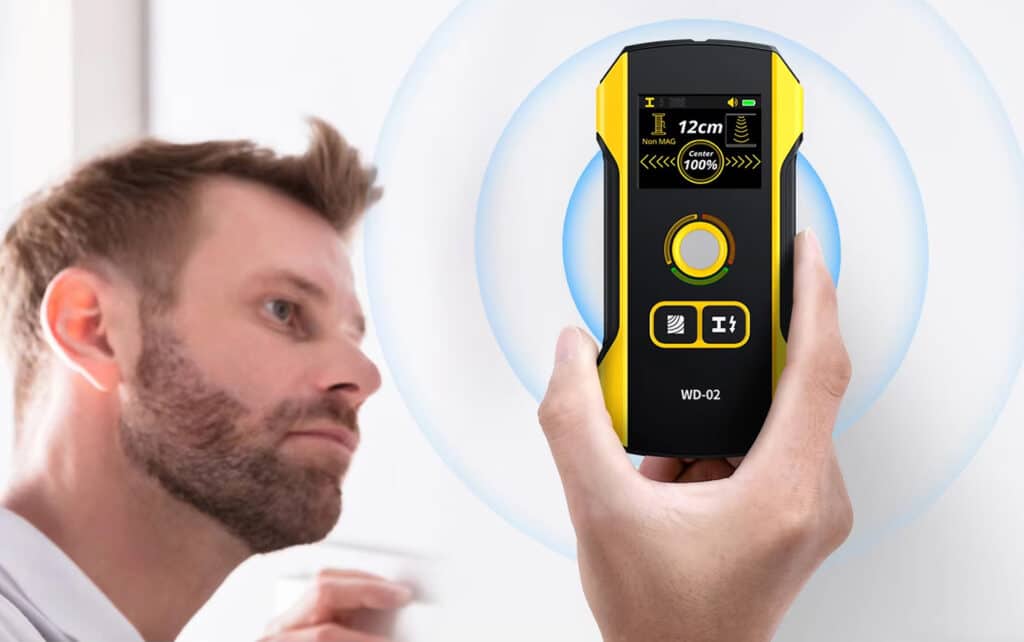
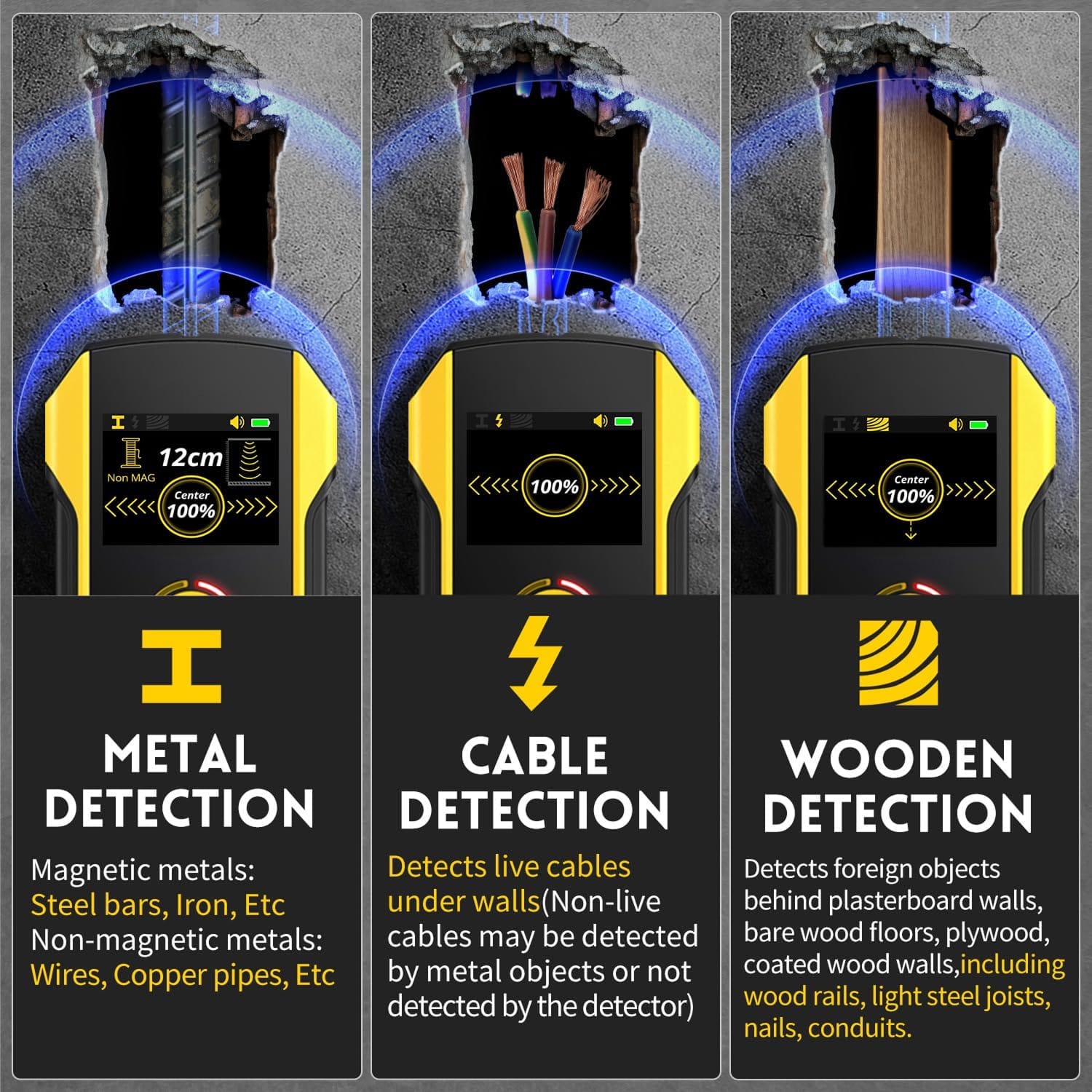
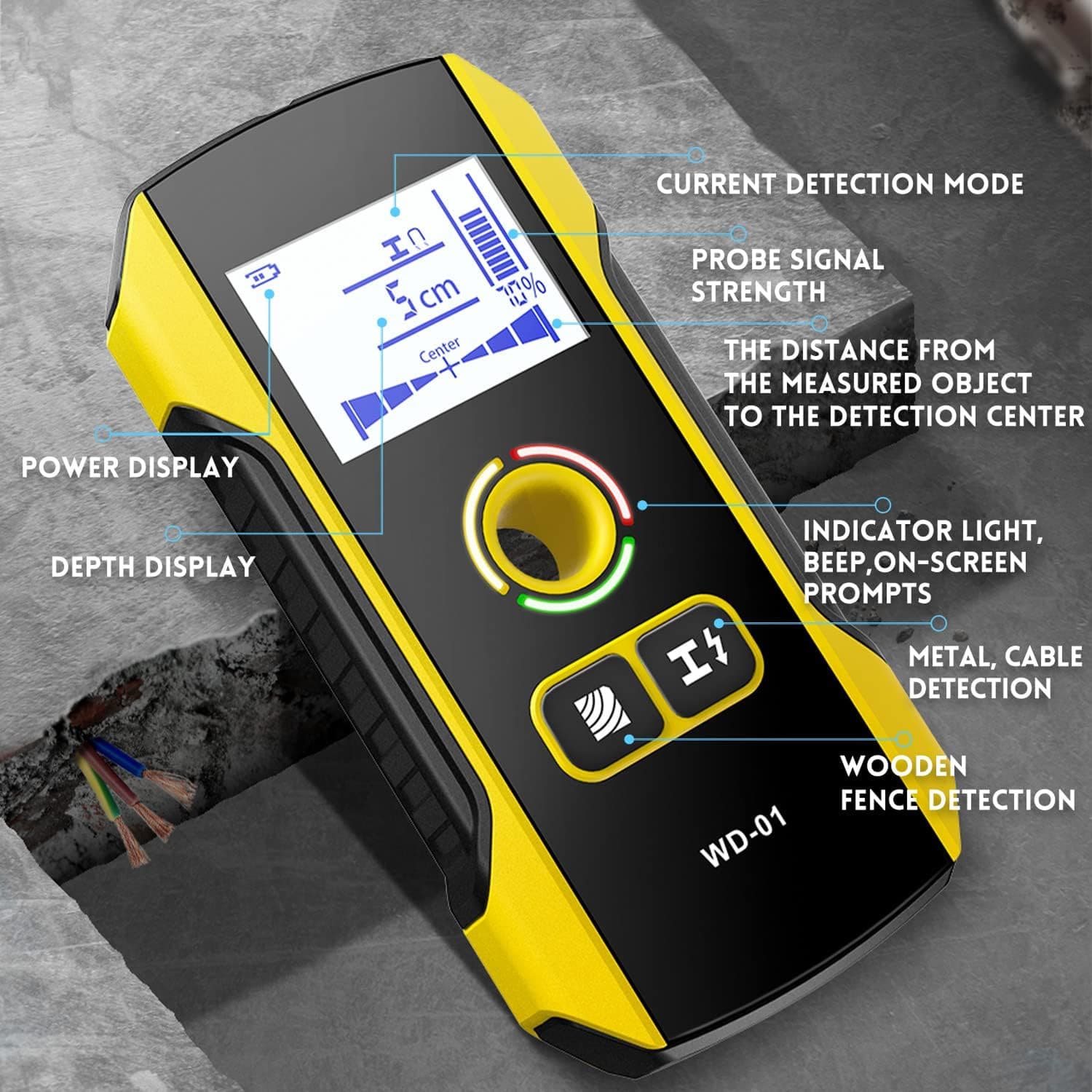
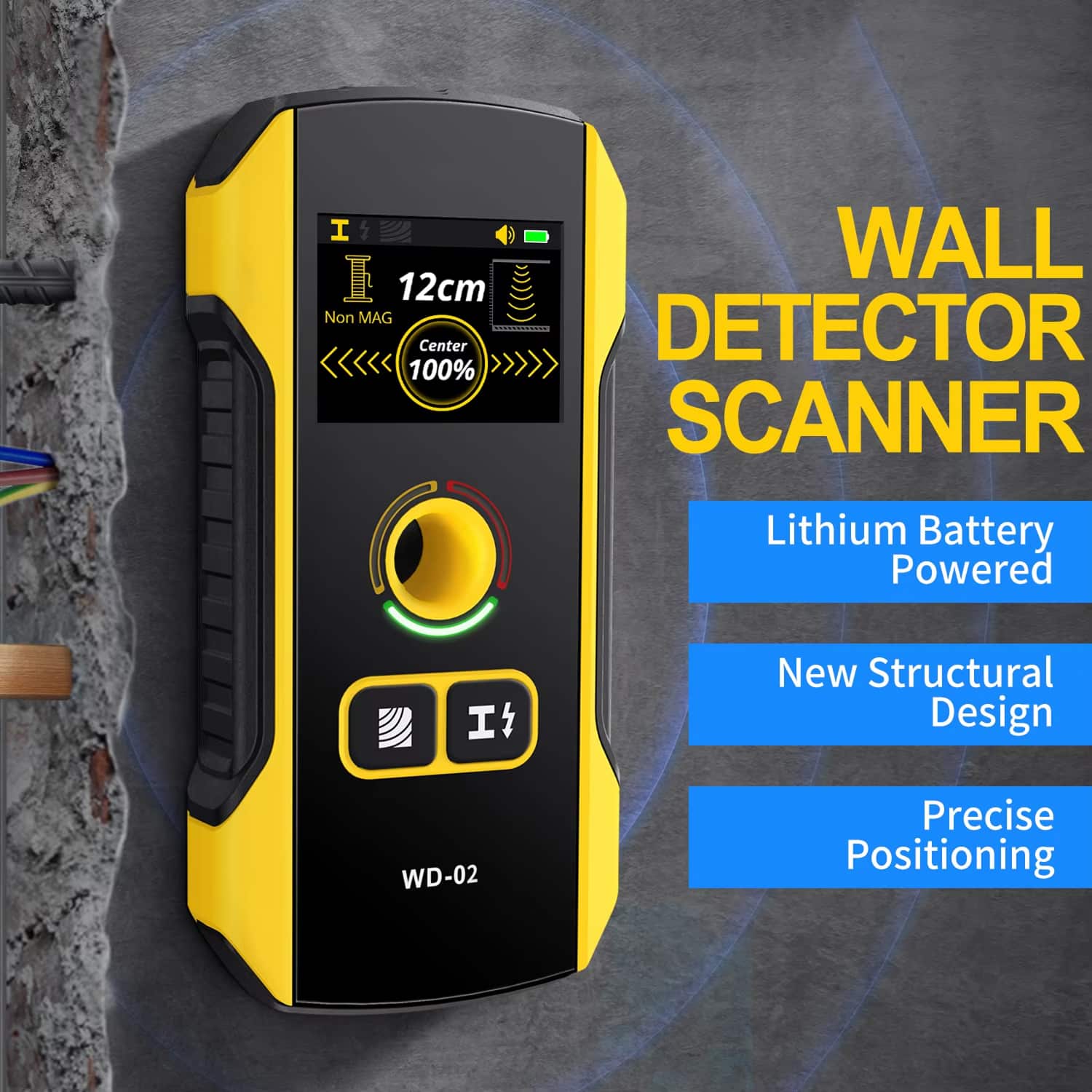
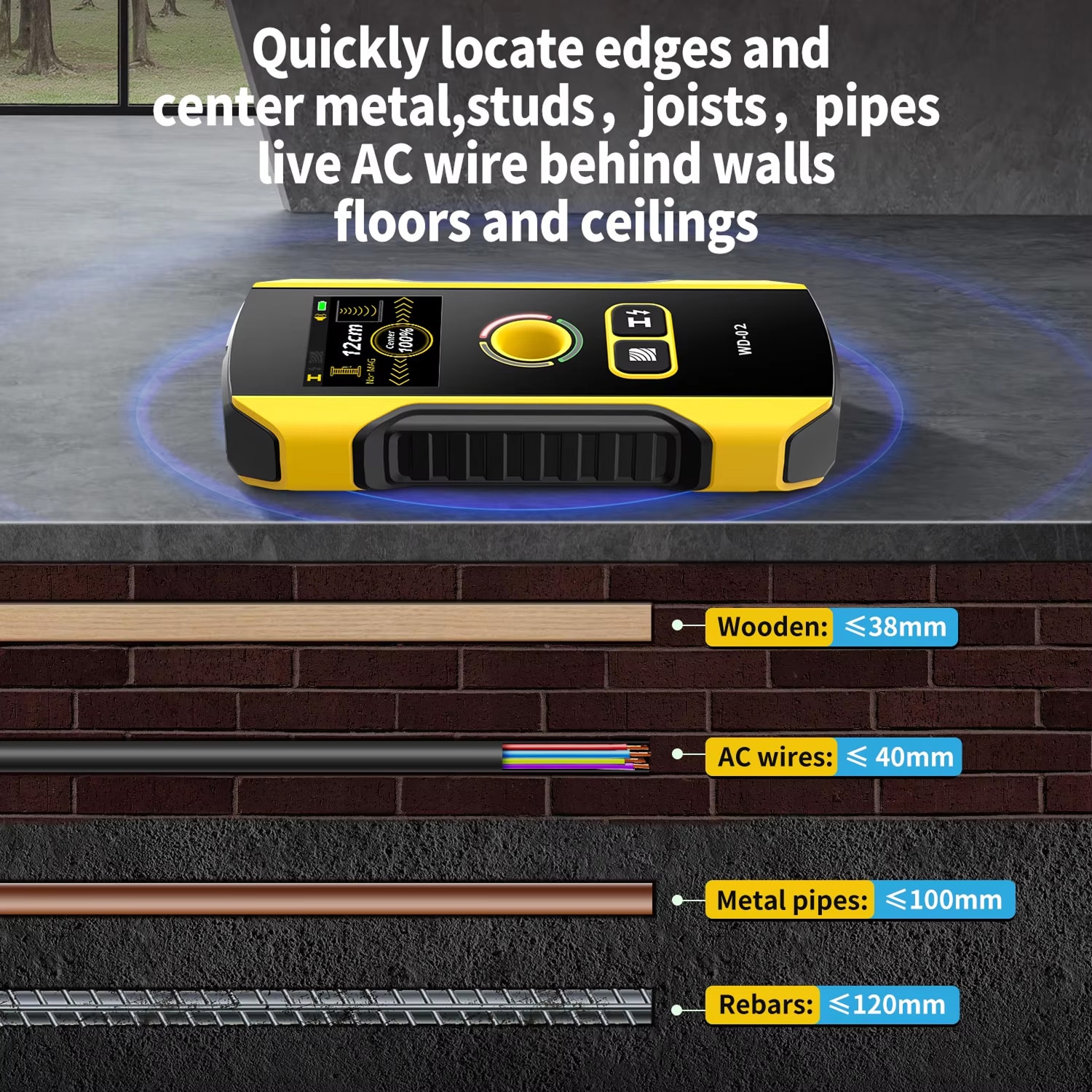
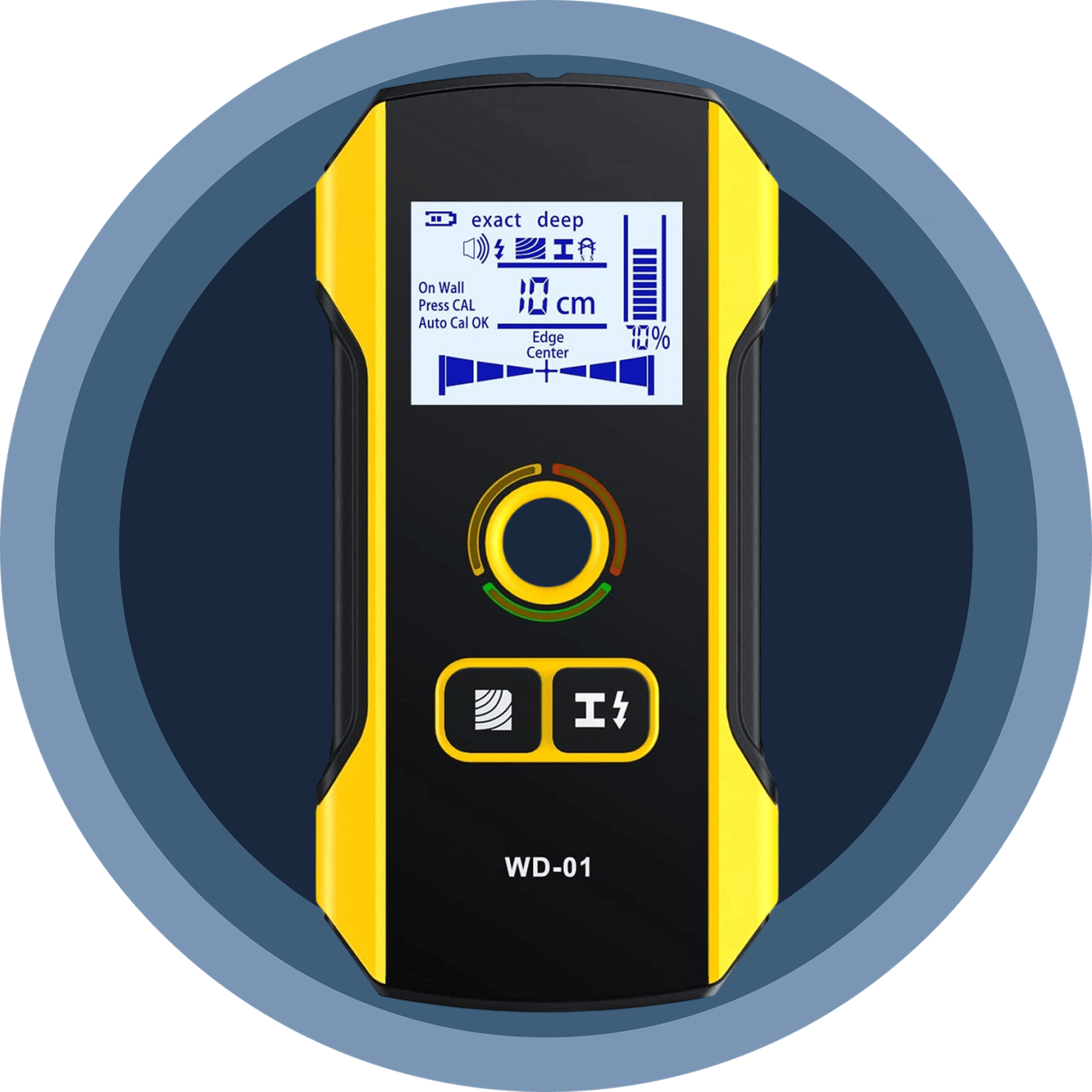
Advanced multi-mode detection identifies ferrous metals up to 120mm deep and copper pipes up to 100mm deep. The RaftNavi Stud Detector’s TFT display shows target depth and material type in real-time, so you know exactly what’s behind your walls before drilling begins.
Join 50,000+ Users Loving RaftNavi Stud Detector
4.6 rating based on total orders
Everything You Need For Safe, Professional-Grade Wall Detection In One Compact Device
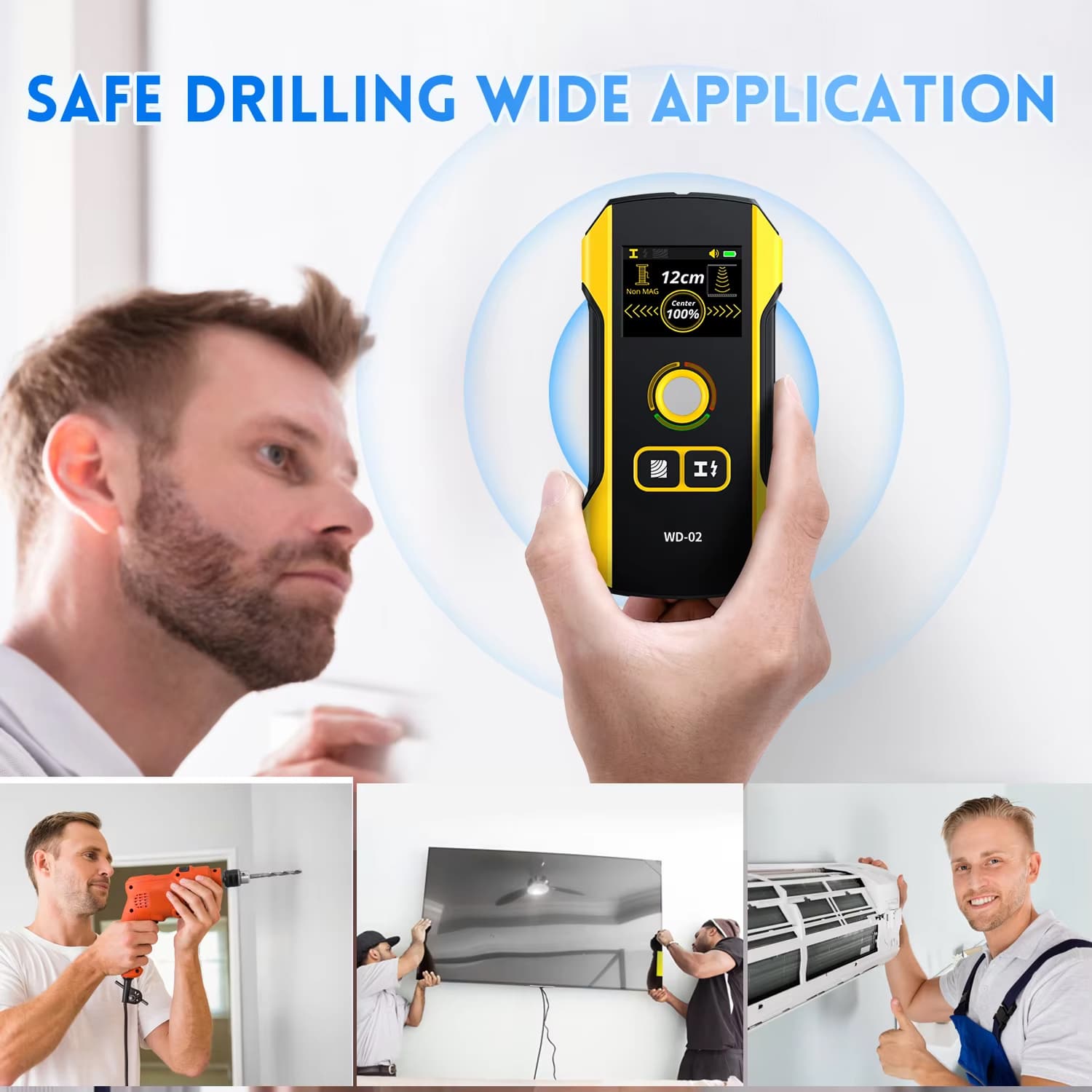
Beyond basic stud finding, this versatile scanner adapts to any project with wood detection mode for plasterboard work, metal mode for pipe location, and AC mode for electrical safety—all controlled through an intuitive interface.
6-language support for international accessibility
The RaftNavi’s HPC detection module delivers exceptional interference resistance and calculation speed. Its 120mm detection depth outperforms most consumer-grade detectors, making it suitable for professional applications requiring reliable accuracy.
Why Choose The Industry-Leading Detection Technology Of RaftNavi Stud Detector?
RaftNavi FEATURES ALL YOU EXPECT:
ULTRA-DEEP DETECTION
Detect objects up to 120mm deep—nearly 5 inches into walls, ceilings, and floors. This ultra-deep scanning capability reveals hidden infrastructure that shallow detectors miss, giving you complete confidence before drilling.
CRYSTAL-CLEAR DISPLAY
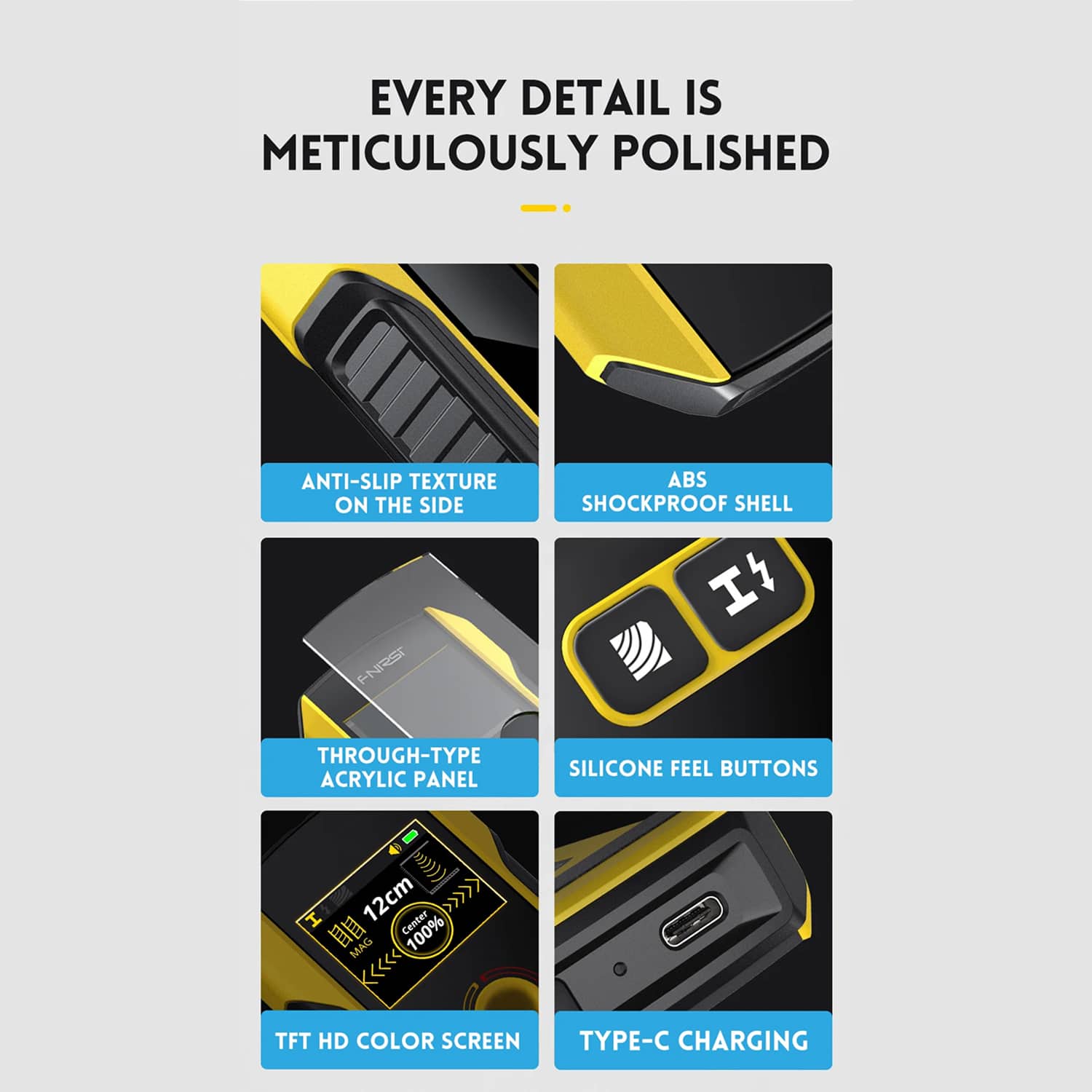
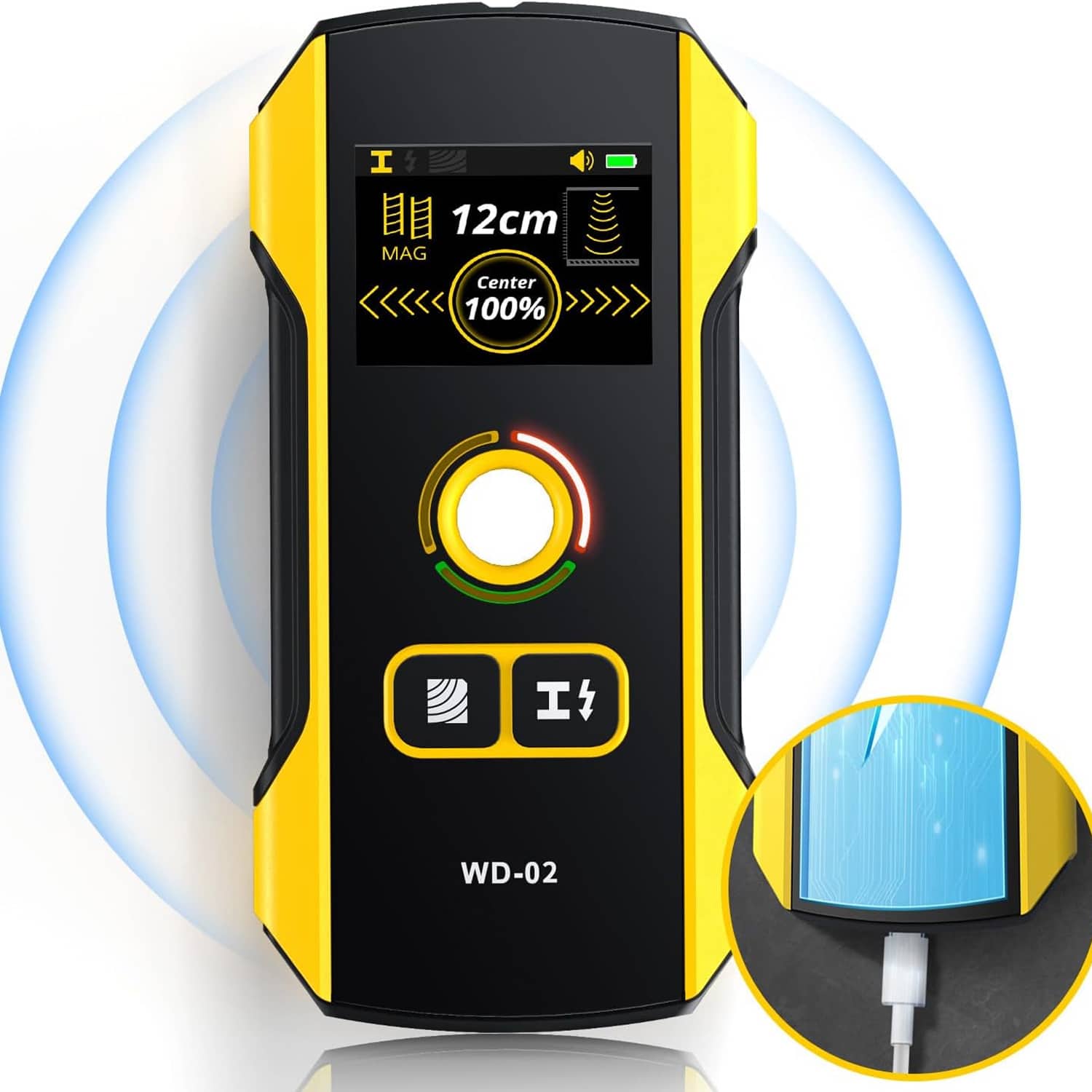
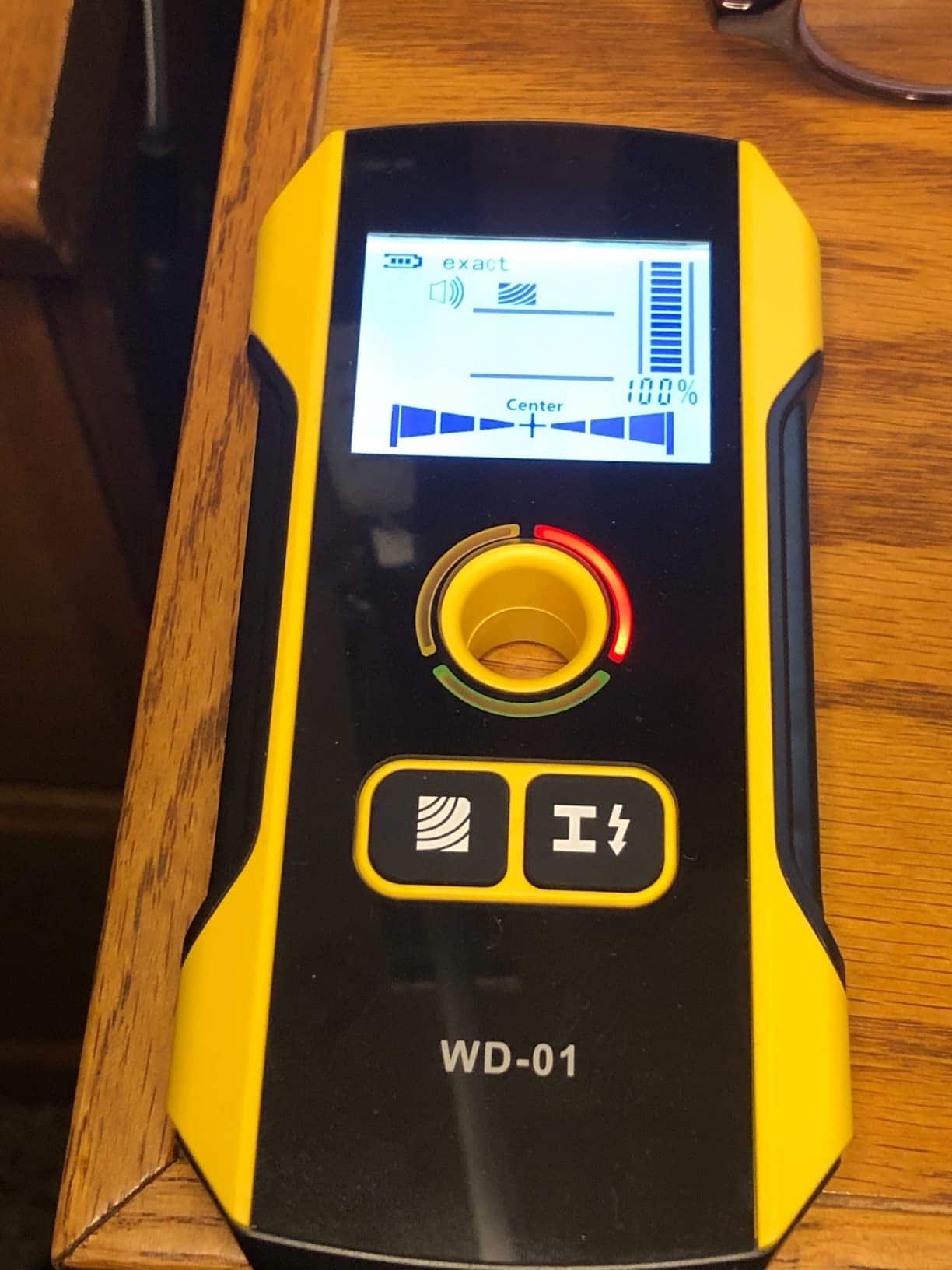
The high-definition TFT color screen displays target depth, material type, and distance in vivid detail. Combined with color-coded indicator lights and audio alerts, you receive instant, unmistakable feedback about what lies beneath the surface.
PRECISION POSITIONING
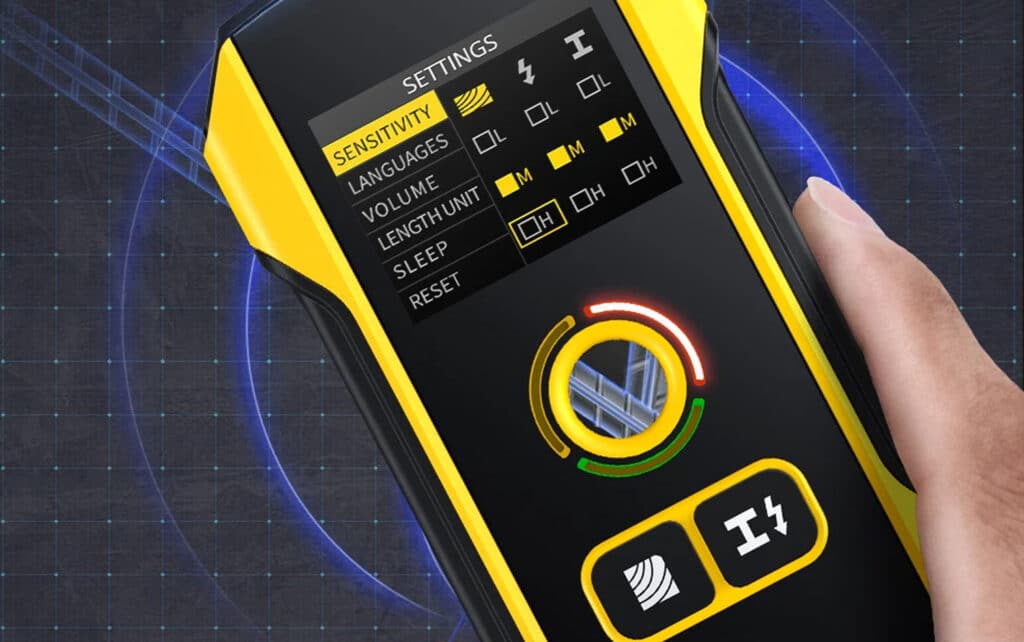
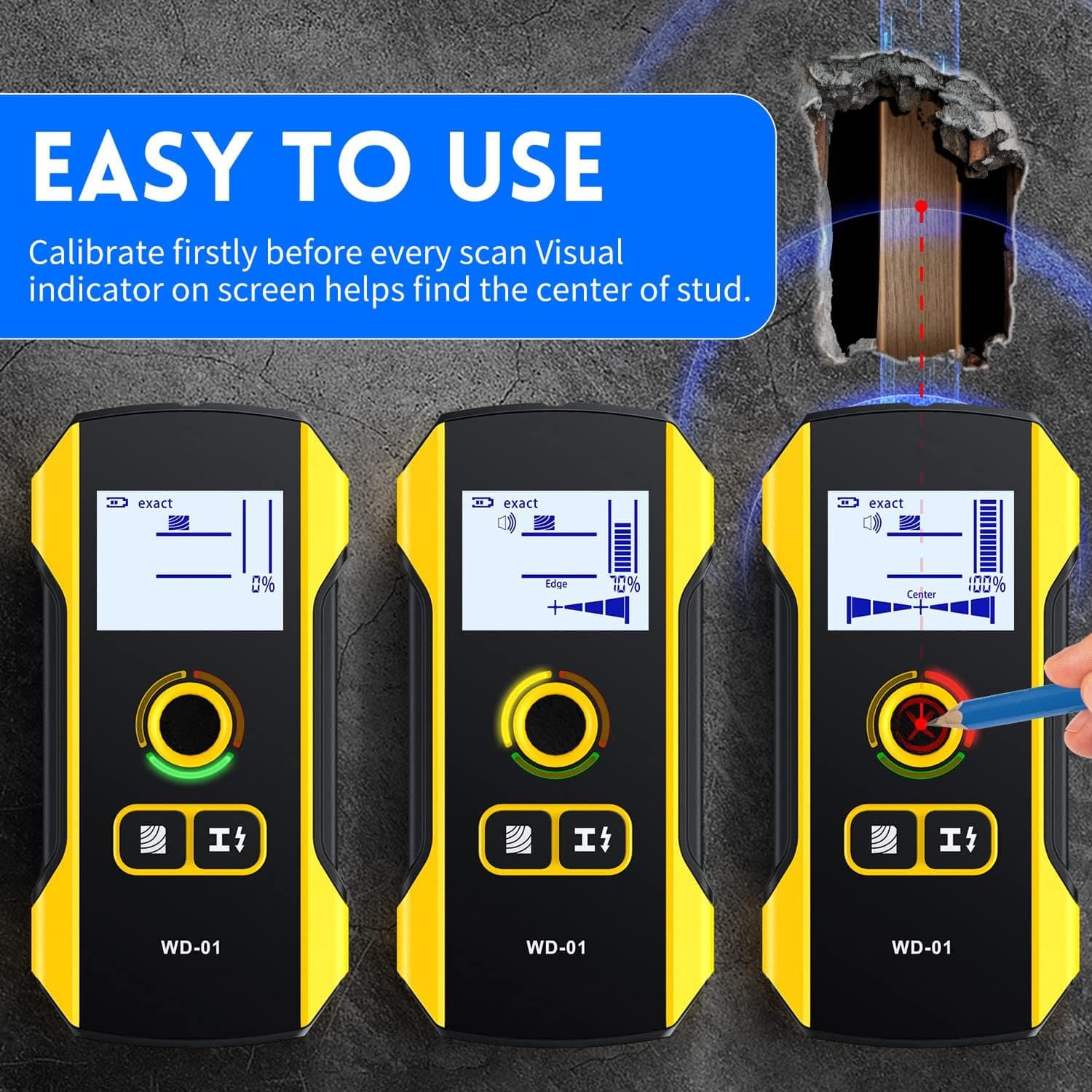
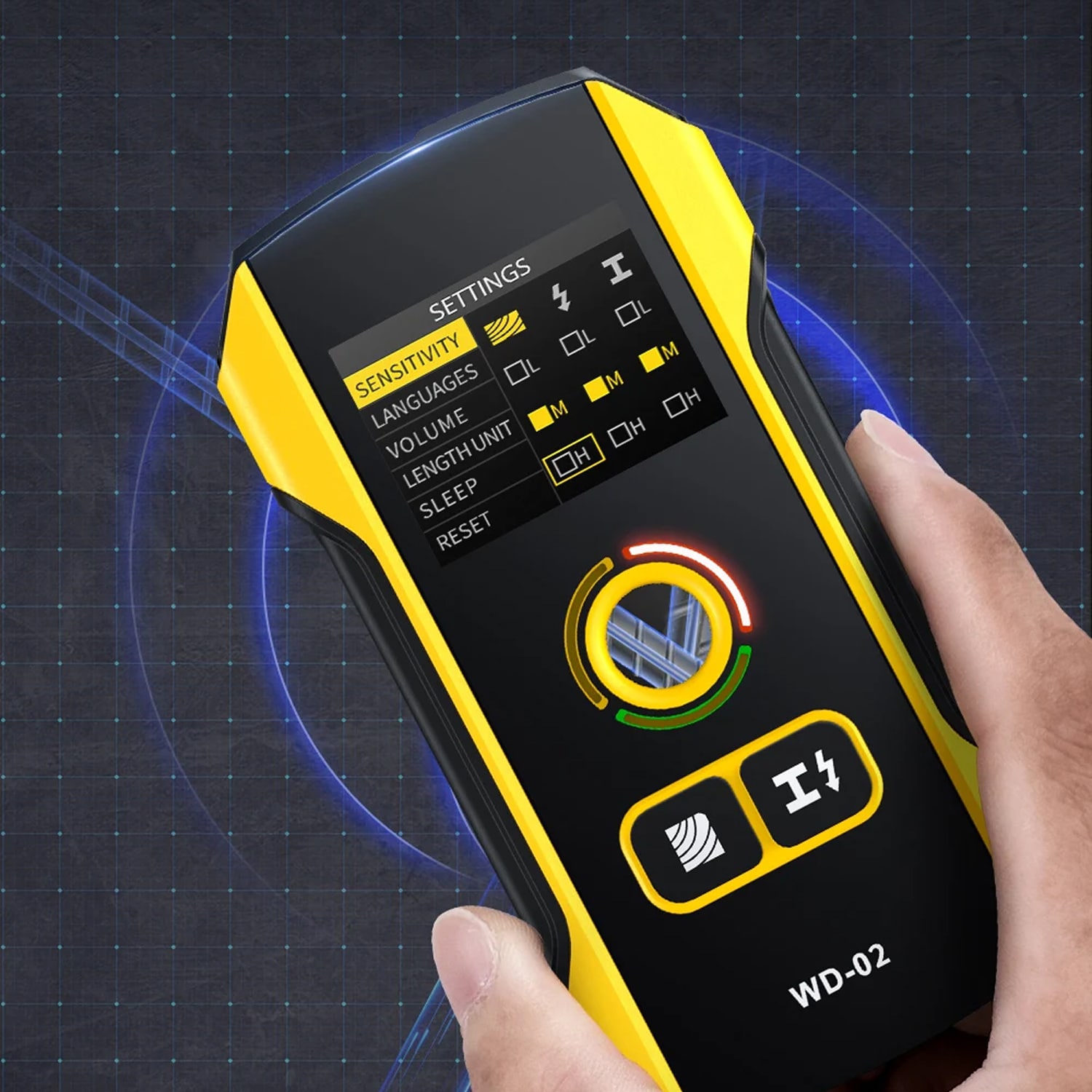
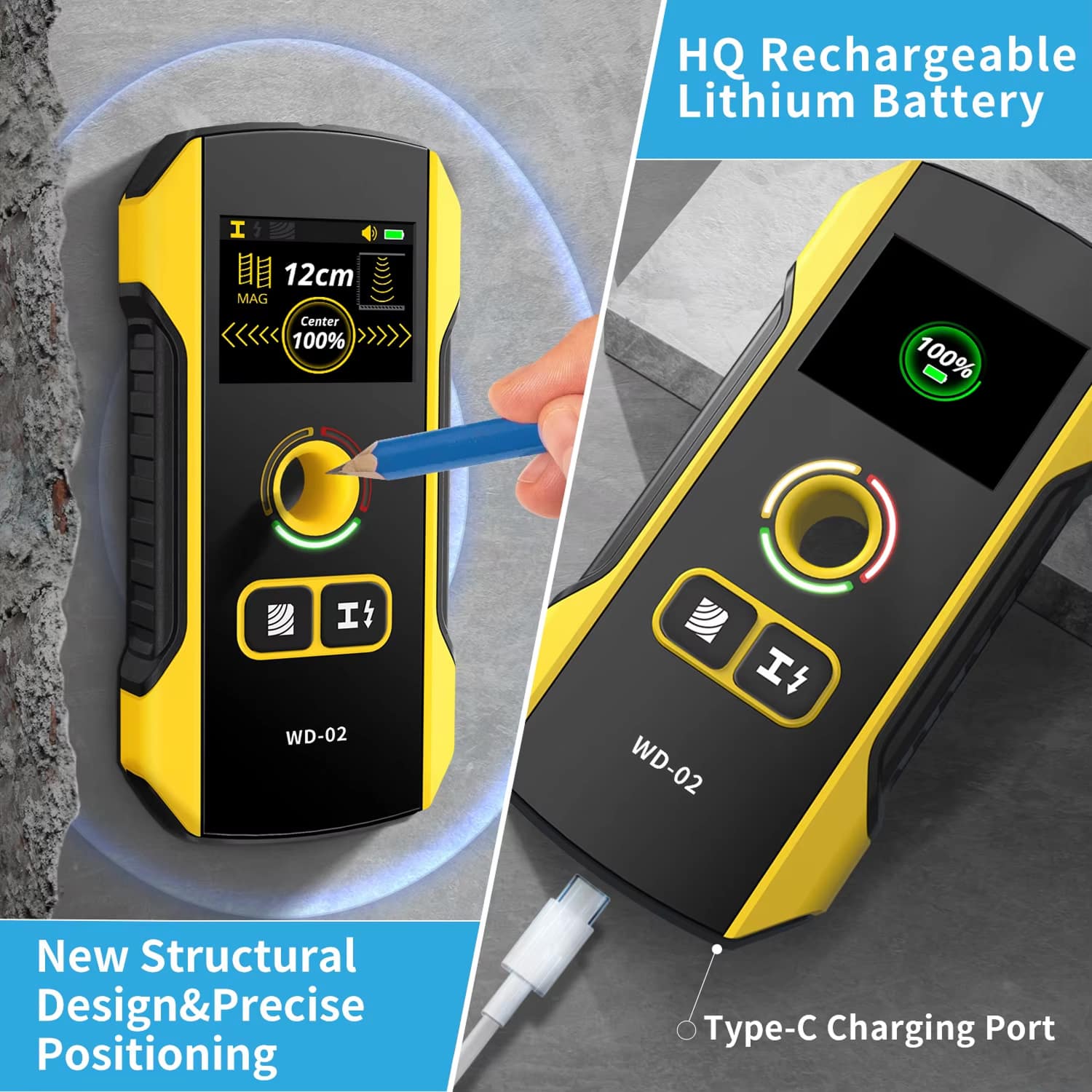
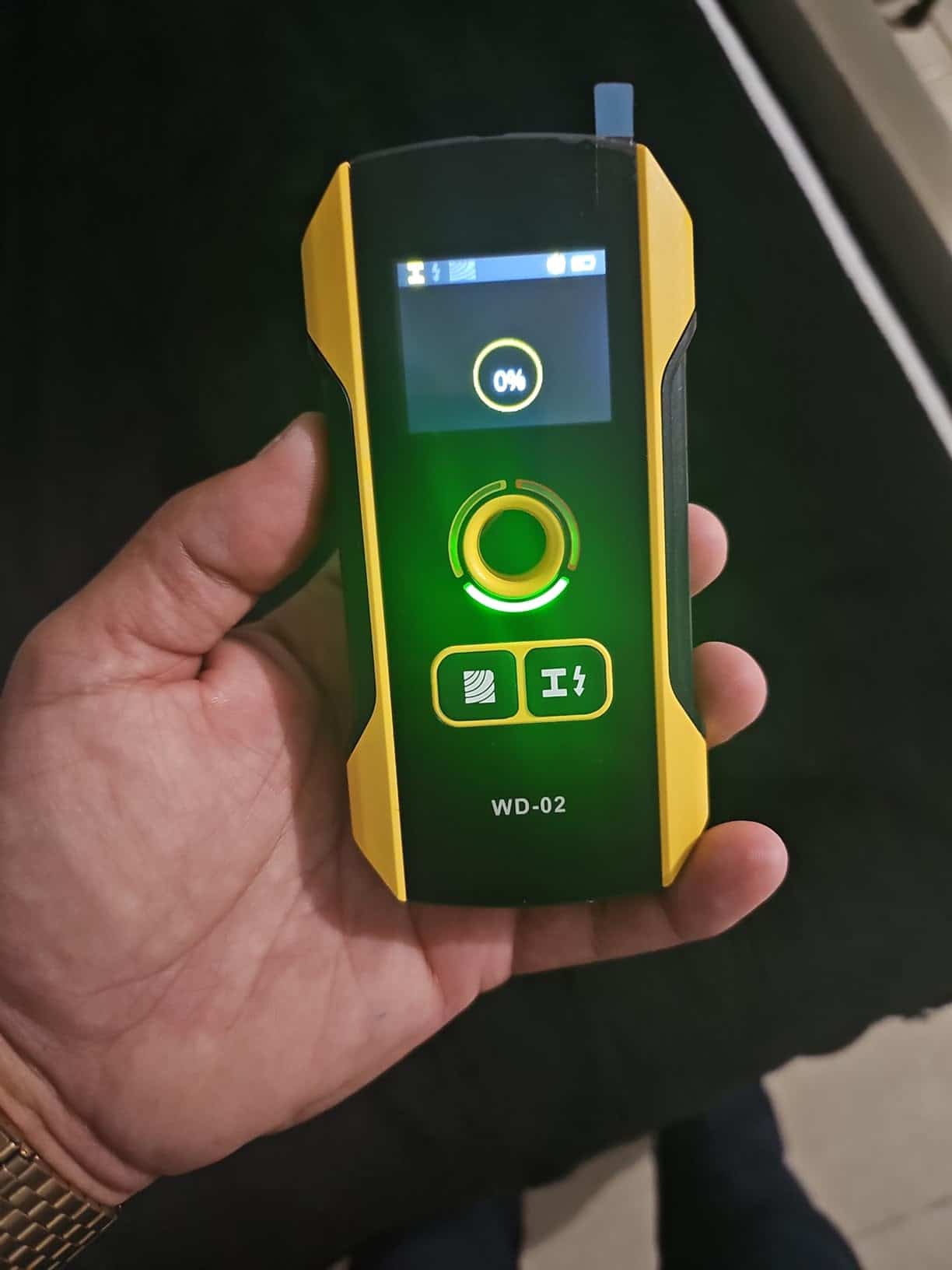
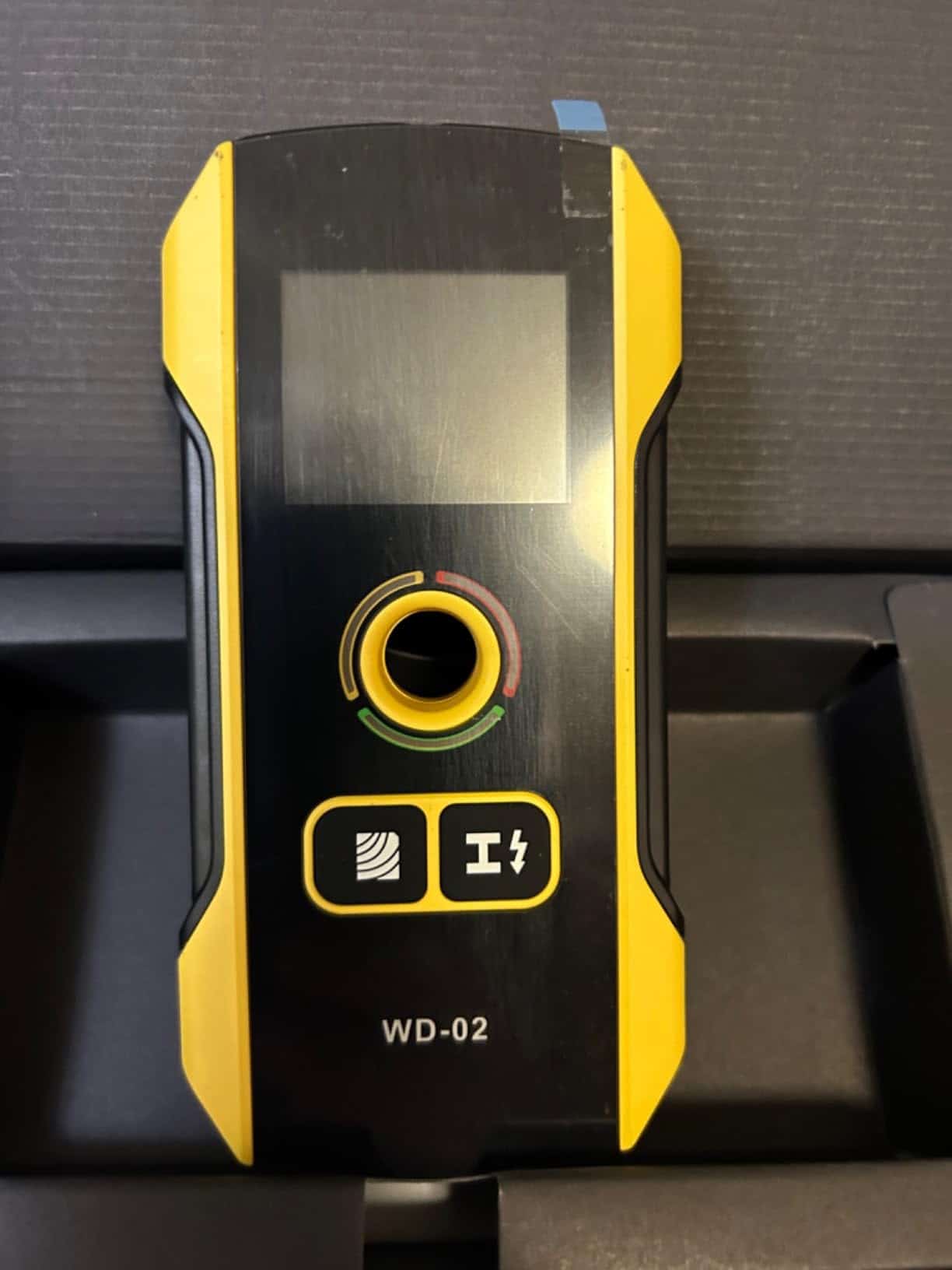
Innovative positioning hole design marks exact drilling locations while three-level sensitivity adjustment fine-tunes detection accuracy. The center indicator ensures you hit your target precisely, reducing mistakes and saving valuable time on every project.
TRIPLE-MODE VERSATILITY
Switch seamlessly between metal, wood, and AC detection modes to identify any material behind your walls. Whether locating studs, avoiding pipes, or finding electrical wires, the RaftNavi adapts to every scanning challenge.
RECHARGEABLE CONVENIENCE
Built-in 300mAh lithium battery provides 6 hours of continuous operation on a single charge. The convenient Type-C charging port means you can power up anywhere, eliminating the frustration of disposable battery replacement.
PROFESSIONAL DURABILITY
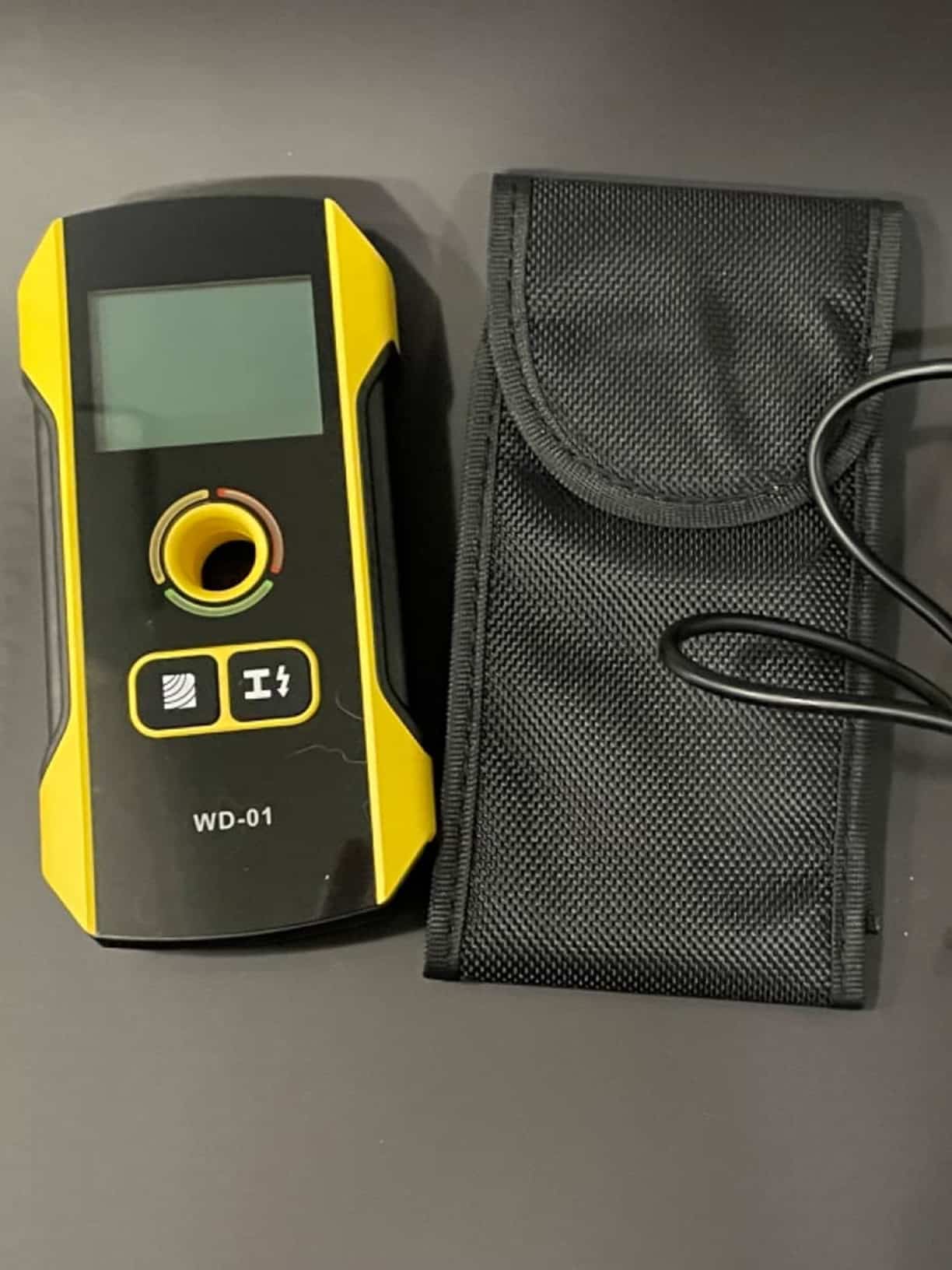
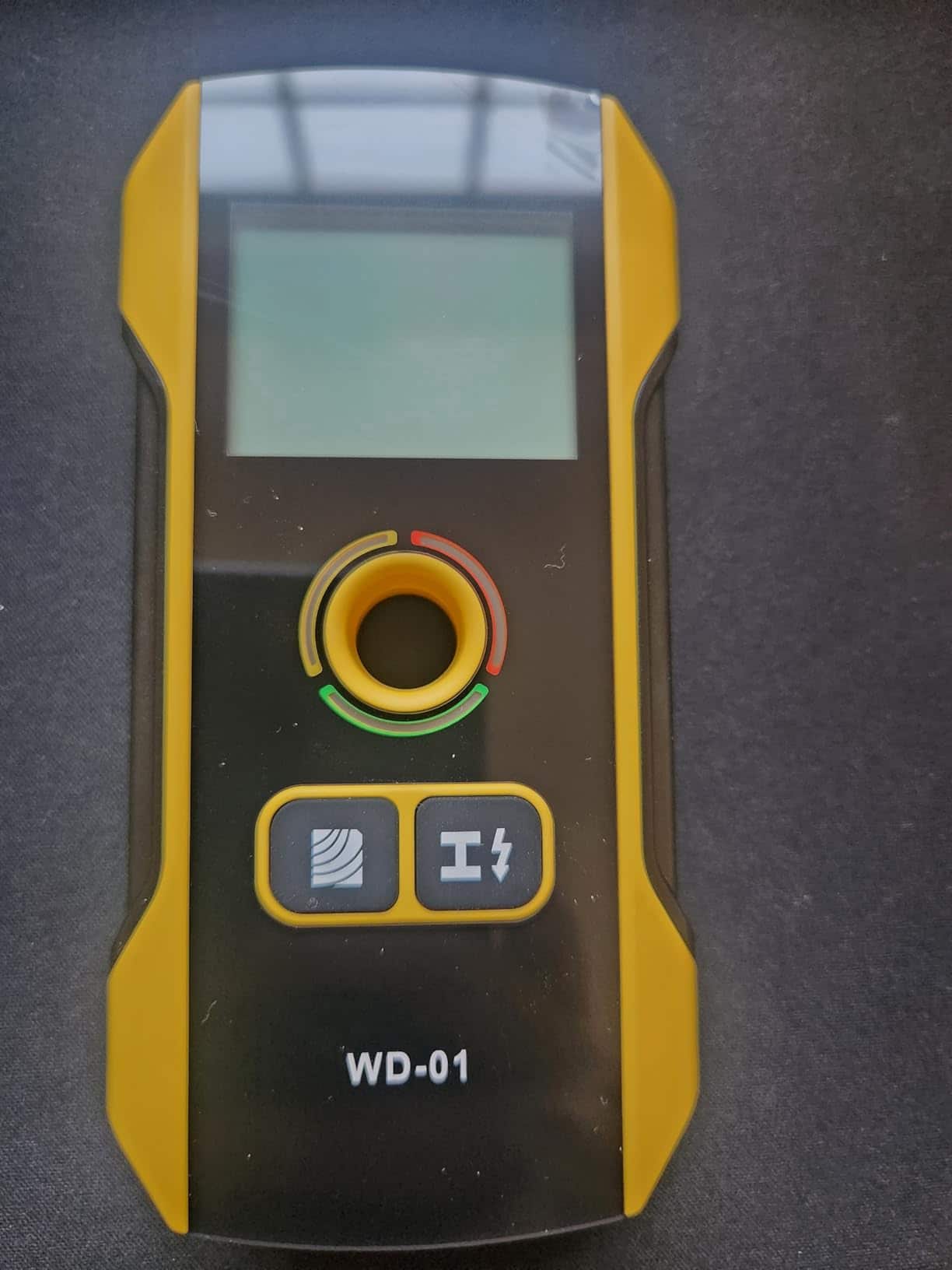
Constructed with anti-slip texture, ABS shockproof shell, and acrylic panel for lasting performance. Weighing just 122 grams and measuring 138×68×22mm, this compact tool withstands demanding job site conditions while remaining comfortably portable for all-day use.
IMAGE GALLERY
What’s Included in Your RaftNavi?
RaftNavi Packaging Box
Stud Detector
User Muanual
24/7 Customer Support
We understand the value of your time. That’s why our team is trained to respond promptly and efficiently, ensuring your queries and issues are addressed without unnecessary delays.
MEET THE RaftNavi
Frequently Asked Questions
−Can the RaftNavi Stud Detector identify different types of metal behind walls?
Yes, it distinguishes between ferrous metals like steel bars (120mm depth) and non-ferrous metals like copper pipes (100mm depth), displaying material type on screen for accurate identification.
+How accurate is the depth measurement on the TFT display?
The HPC detection module provides highly accurate depth readings within 5mm variance. Three sensitivity levels let you fine-tune precision based on wall material and target size for optimal results.
+Will this detector work on thick plaster or concrete walls?
Absolutely. The 120mm detection depth handles thick plaster, drywall, and even some concrete applications. Metal mode penetrates deeper than wood mode for challenging surfaces requiring maximum scanning power.
+Does the device require calibration before each use?
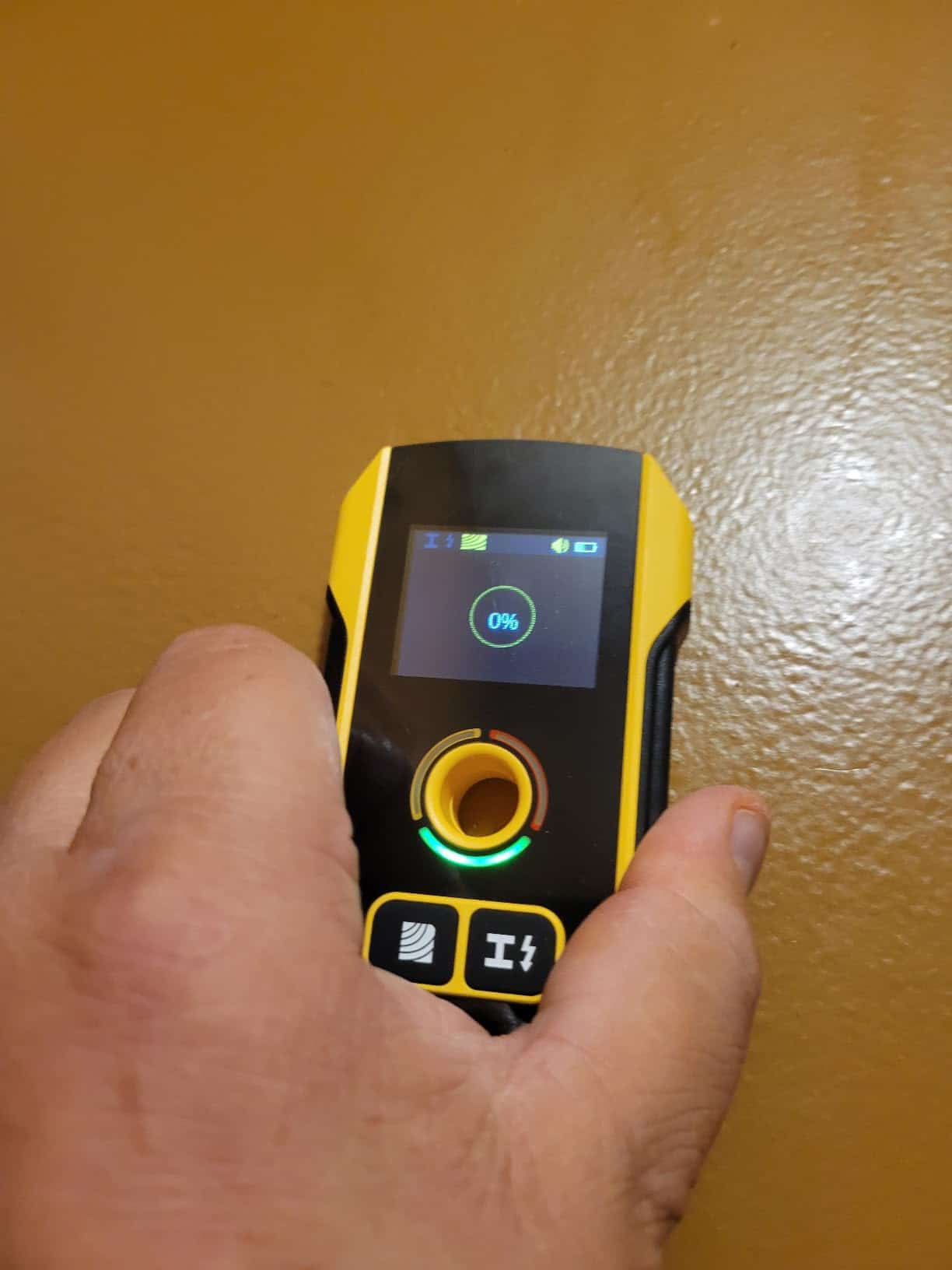
The device auto-calibrates when powered on. Simply hold it flat against the wall during startup. The interference-resistant chip maintains accuracy throughout use without requiring frequent recalibration between scans.
+How long does the battery last on a full charge?
The rechargeable 300mAh battery provides approximately 6 hours of continuous operation. Auto power-saving mode shuts down after 5 minutes of inactivity, extending battery life during intermittent use throughout the day.
+Can I use this to detect PVC or plastic pipes?
PVC and plastic pipes don't register on metal or wood modes since they're non-conductive. However, if water-filled or containing wires, the detector may identify density changes in deep mode for approximate location.
+What's the difference between deep mode and precision mode?
Deep mode scans up to 38mm for wooden objects, ideal for general stud location. Precision mode reduces depth to 20mm but increases accuracy for pinpoint targeting when exact positioning is critical.
+Does the detector work near electrical outlets and switches?
Yes, but for best results, start scanning at least 12 inches away from outlets. The AC detection mode specifically locates live wires, while metal mode identifies the electrical box itself without interference.
TOP #1 FAVORITE Stud Detector
Trusted By Thousands Of Satisfied Customers
Robert Martinez
This detector saved me from a costly mistake! Found electrical wiring I didn’t know existed behind my kitchen wall. The TFT display made it incredibly easy to see exactly where everything was located before drilling.
VERIFIED BUYER
Jennifer Thompson
As a professional contractor, I’ve used many stud finders, but the RaftNavi’s 120mm detection depth is unmatched. Battery life easily gets me through full workdays, and the positioning hole feature is genuinely innovative.
VERIFIED BUYER
David Kim
The three detection modes are a game-changer for home renovations. I located studs, avoided copper pipes, and identified live wires all with one tool. Interface is intuitive, and results are consistently accurate every time.